10 Tips to Improve Your Written English for GCSE Exams
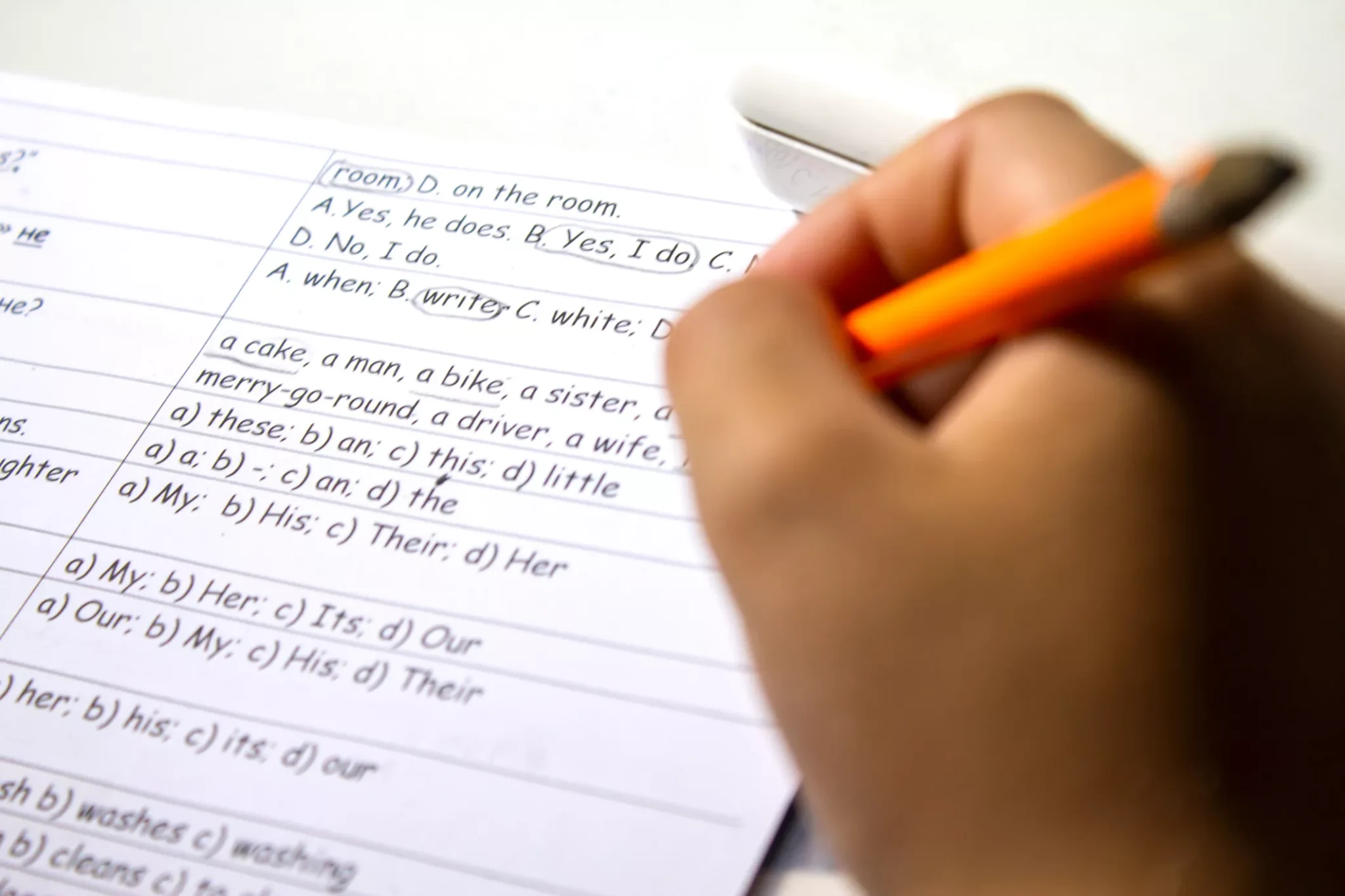
In both English language and English literature exams, students are required to write essays and articles to demonstrate their writing skills, and to use a broad and impressive vocabulary, alongside analytical skills to analyse prose texts and poetry. Since English is rather fluid without problem sheets or facts to memorise, it can be difficult to determine whether your child is on the right track. Here are 10 actionable tips to help your child improve their written English.
1. Master a Wide Vocabulary for Creative Writing
Vocabulary is the building block of every language. The AQA exam board (used widely in Jersey schools) expects candidates to use a range of vocabulary and sentence structures for clarity, purpose and effect, with accurate spelling and punctuation.
2. Study Past Papers
Past papers give clues about expected vocabulary and familiarise students with time constraints – practising under timed conditions helps with allocating sufficient time per question.
3. Stress on Spelling, Punctuation, and Grammar (SPaG)
SPaG carries a 20% weighting on Paper 1 and Paper 2 writing tasks under the AQA board, and matters across other GCSE subjects too. Revision guides and workbooks with answers are useful tools.
4. For GCSE English Literature Exams: Read the Books!
Relying solely on summaries or film versions is a mistake – reading the complete texts in detail beforehand gives a much deeper understanding for essay writing. Mind maps, flashcards and sticky notes can help retain information.
5. Make Use of Revision Resources
Websites like SparkNotes offer sample essays and interpretations, while others offer quizzes with answers to test knowledge.
6. Always Review GCSE English Language Class Notes
Class notes and tutor feedback on previous work often contain valuable information and indications of areas of strength that online resources alone won't provide.
7. Read A Lot!
Reading frequently – newspapers, poetry, online articles – helps students absorb language use, grammar and spelling almost subconsciously, strengthening both language skills and comprehension.
8. Understand How to Structure Answers
Different forms of writing have different structures – poetry differs from a report or newspaper article. Devising a plan for each writing type helps students structure answers effectively.
9. Practice Writing Daily and Get Feedback from Teachers
Writing something daily, and getting feedback from a teacher or an English tutor in Jersey on plans and essays, builds exam readiness over time.
10. Focus on the Mark Scheme
Understanding assessment objectives and language expectations helps ensure your child integrates them into their answers, collecting as many marks as possible.
They're All Set!
The key to obtaining good marks in the GCSE English exam is understanding what each essay question is asking, so your child can determine the right approach and skill to use.
Tell us about your child
Tell us a little about your child and what you're looking for from tutoring. We'll then consider which of our tutors we think will suit them best, starting with a free taster session.